

I’ve spent a long time around heavy duty trucks, and I’ve seen what happens when someone chooses the wrong wheels.
Bad fit.
Vibration.
Weird stance.
Money wasted.
I learned early that the right wheels change everything. That’s why I’m sharing what works, what you should skip, and why certain brands stand out based on engineering and build quality, not hype.
I built this list by comparing real specs, design strength, bolt patterns, load ratings, and how well a wheel package fits without spacers or strange workarounds.
Stick with me and you’ll know exactly what to look for, how to compare your options, and which brand gives you the highest return for your money.
And if you’re wondering where to start, I always tell people to look at upgraded dually wheels first because the difference in stability and stance is instant.
Let’s walk through this together.
Why Wheel Choice Matters More Than You Think
I’ve watched owners focus on tires, suspension, power mods, and everything else before touching their wheels.
But wheels anchor the entire build.
They decide how your truck sits.
They decide how it handles weight.
They decide how clean or aggressive your stance looks.
If you tow, haul, or run performance setups, wheel structure matters even more. Your truck only works as well as the six wheels holding everything up.
And that’s exactly why you need to look at the design, construction, bolt patterns, and load ratings before choosing anything.
Step #1: Know Your Fitment Before Anything Else
I always start here because it kills most headaches before they begin.
You need the right bolt pattern.
You need the right offset.
You need a setup that fits all six positions, not just the outers.
Here’s the mistake I see often:
People buy a “universal” wheel that needs spacers or adapters.
Once you add those, everything becomes harder.
More parts.
More failure points.
Less stability.
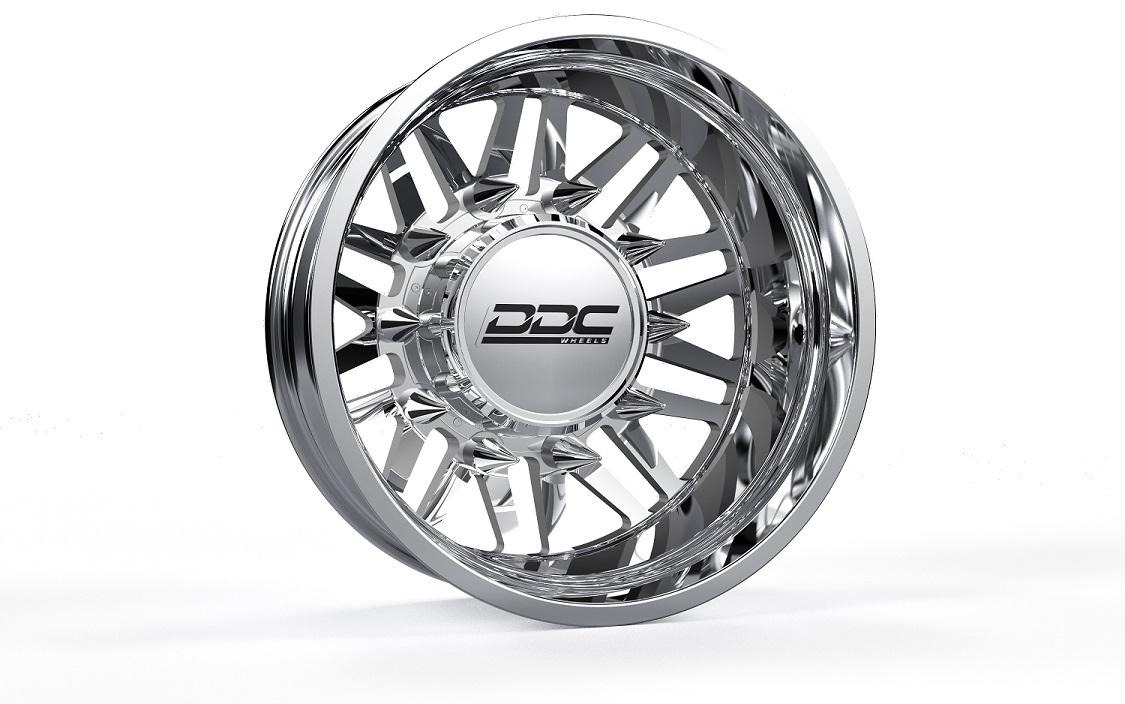
This is where DDC Wheels stands out. They design direct bolt-on dually packages with a true hub-centric fit across all six positions. No adapters. No rear spacers. No strange workarounds.
It’s simple, and it works.
Step #2: Pick a Wheel Built for Heavy Loads
A dually isn’t a toy. It’s built for real work. I’ve seen trucks fold weak wheels under a heavy trailer.
That’s why you want high load ratings.
DDC Wheels builds wheel sets rated up to 20,000 pounds for their cast line and up to 24,000 pounds for their forged line. Each wheel supports up to 4,000 pounds. That type of strength gives you confidence on the road even when you’re pushing your truck.
If you’ve got a Chevy, Ford, GMC, Ram, or a 3500 series setup, this matters more than anything else.
Step #3: Choose a Design That Matches Your Build
Here’s where things get interesting.
You’ve got a lot of styles to pick from, and each one changes your truck’s personality.
Some of the most popular designs include:
- Aftermath
- The Mesh Forged
- The Ten Forged
- The Spoke Forged
- The Shield
Each design has its own stance, presence, and personality. I always advise people to match the wheel style with the truck’s purpose. If you want a rugged work look, The Shield and Aftermath are strong options. If you want a cleaner, modern stance, The Mesh or The Ten give you that smooth, refined look.
The good thing about DDC Wheels is that every inner wheel matches the outer wheel design. A lot of brands ignore this and mix styles. Matching all positions makes the whole truck look intentional.
Step #4: Pick the Right Size for Your Tire Setup
Your wheel size changes your entire stance.
20 inch options fit up to 12.50 inch wide tires.
22 and 24 inch wheels can support 315 widths.
If you like a wide, planted look, these specs matter. They open the door to bigger tires without tricky modifications.
I always tell people to plan the tire and wheel together. Doing one without the other leads to mistakes. When you match them properly, the fitment looks factory clean but stronger.
Step #5: Choose a Brand With Real Engineering Behind It
This is where most people get stuck because every brand claims to be “high quality.”
I don’t look at marketing. I look at engineering.
Here’s what makes DDC Wheels worth recommending to people who want strength, fitment, and clean design:
- Direct bolt-on fit for all six positions
- Hub-centric precision
- No plastic pieces
- Aluminum caps and billet lug covers
- Inner wheels that match outer designs
- High load ratings
- Strong forged options
- Compatible with Chevy, Ford, GMC, Ram setups
They keep things simple and let the specs do the talking. That’s why I recommend them. Not because of hype, but because of build quality, consistency, and engineering that makes sense.
Final Thoughts
If you want your truck to sit right, handle weight better, and look cleaner, the wheels you choose will decide the outcome.
Follow the steps I shared.
Avoid shortcuts.
Pick wheels built for real work.
And if you want a brand that delivers strong engineering and clean design, DDC Wheels is one of the first places I point people toward.
You can build a truck that looks good and works hard at the same time.
It starts with the right wheels.
