

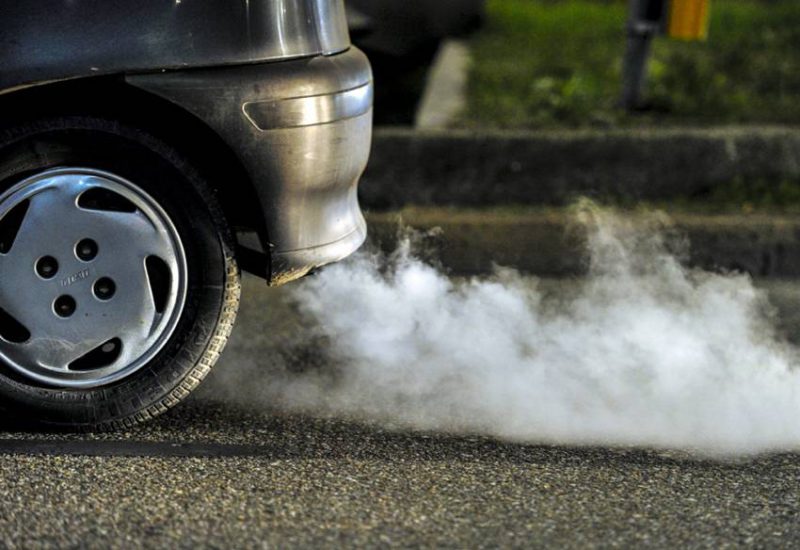
Diesel engines are known for their stamina, high force, and long service life—but they likewise come with an excellent yet intensely dangerous failure mode known as diesel runaway. A diesel runaway occurs when the motor begins illustration in away and burns fuel that isn’t being the fuel injection system. This causes the RPM to rise uncontrollably. Since diesel engines don’t demand spark plugs and rely on condensation ignition, some combustible fumes entering the intake can cause the engine to accelerate on allure own. Once a runaway begins, even curving off the key doesn’t stop the engine.
In many cases, the engine keeps running until within components—pistons, rods, valves, or even the turbocharger—fail catastrophically.
Top Causes of Diesel Runaway
1. Turbocharger Oil Seal Failure
The most prevalent cause of runaway is a failed turbo seal. When the seal leaks, engine lubricant enters the intake order.
Signs include:
• Excessive silver or blue fume
• Sudden RPM spike
• Unusual piping or oil spray familiar the intercooler
Ignoring a leaking turbo can result in a ripe runaway event. You can also visit shops for Diesel Repair in Hillsboro, OR.
2. Oil Overfill
Overfilling the crankcase during sustenance can cause the engine to beat excess lubricant into foam or mist. This mist is then sucked into the intake system. The importance begins blazing in the combustion room, the engine may rev rapidly, and in an engine, this can escalate into a runaway. You can also consult with experts like G&D Automotive.
3. External Hydrocarbon Vapors
Diesel appliances used in modern or marine environments frequently ingest combustible vapors from chemicals or nearby fuel spills. These vapors imitate an additional fuel beginning and can trigger a runaway even when the motor components are athletic.
What Drivers Must Do Instantly During a Runaway
An engine runaway progresses within seconds. There’s no time to think—only to act. Here are the only proven arrangements to stop the engine.
1. Stall the Engine (Manual Transmission Only)
If a forceful manual transmission engine:
• Shift into the highest gear
• Press the brakes immovably
• Slowly release the clutch to stall the engine
This forces the engine to stop automatically.
Do NOT try this in an automatic—it will not stall and can cause transmission damage.
2. Get Away from the Vehicle
If you can’t stop it, step away instantly. Runaway engines can explode, shed parts, or catch fire on account of extreme temperatures.
Your security is more important than the motor.
Conclusion
A diesel runaway is one of the ultimate destructive deteriorations an engine can occurrence. Equally important is to experience the emergency steps: cut the air supply, interrupt the engine (manual only), or move continuously if the situation becomes dangerous.
With correct maintenance by experts like G&D Automotive and early discovery, most diesel runaway occurrences can be prevented long before they start.