

Auto collisions are an unfortunate reality of modern life. Whether it’s a minor fender-bender or a major crash, the aftermath of an auto collision can be overwhelming. This article delves into the intricacies of auto collisions, their impact, and the steps to take following such an incident.
The Reality of Auto Collisions
Every year, millions of auto collisions occur worldwide, leading to property damage, injuries, and, in severe cases, fatalities. These incidents can result from various factors, including driver error, adverse weather conditions, mechanical failures, and road hazards.
Immediate Impact of a Collision
The immediate aftermath of a collision can be chaotic. Here’s what typically happens:
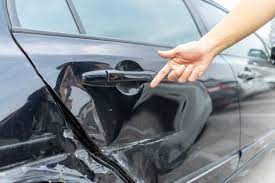
- Physical Damage: The most apparent consequence is the damage to the vehicles involved. This can range from minor dents and scratches to total vehicle destruction.
- Injuries: Occupants might suffer injuries, from minor bruises to severe trauma. The severity often depends on the collision’s force and whether the occupants were using safety measures like seat belts.
- Emotional Trauma: Even if physical injuries are absent, the shock and stress from the incident can lead to emotional and psychological trauma.
Steps to Take After an Auto Collision
If you find yourself in an auto collision, it’s essential to stay calm and follow these steps:
- Check for Injuries: Before assessing vehicle damage, ensure that you and other occupants are safe. Call for medical assistance if needed.
- Move to Safety: If possible, move the vehicle to a safe location, away from traffic.
- Notify the Authorities: Call the police, especially if there are injuries or significant property damage.
- Exchange Information: Collect details from the other driver(s) involved, including name, contact information, driver’s license number, insurance details, and vehicle registration.
- Document the Scene: Take photos of the scene, vehicle damage, and any visible injuries. This can be crucial for insurance claims and potential legal proceedings.
- Notify Your Insurance: Inform your insurance company about the collision as soon as possible.
Navigating the Repair Process
Once the immediate aftermath is handled, it’s time to address the vehicle’s repair:
- Choose a Reputable Repair Shop: Research and select a trusted auto repair shop or auto body shop. Some insurance companies might recommend specific shops, but the choice is ultimately yours.
- Obtain an Estimate: Before starting repairs, get a detailed estimate. This will give you an idea of the repair costs and the extent of the damage.
- Understand the Repair Timeline: Depending on the damage, repairs might take anywhere from a few days to several weeks. Ensure you have a clear timeline from the repair shop.
The Importance of Safe Driving
While some collisions are unavoidable, many can be prevented with safe driving practices:
- Stay Alert: Always be aware of your surroundings and anticipate potential hazards.
- Follow Traffic Rules: Adhere to speed limits, stop signs, and other traffic regulations.
- Avoid Distractions: Refrain from using mobile phones or engaging in activities that divert your attention from the road.
- Maintain Your Vehicle: Regular maintenance checks can prevent mechanical failures that might lead to collisions.
Conclusion
Auto collisions can be a distressing experience, both physically and emotionally. However, understanding the process and steps to take afterward can make the recovery journey smoother. Always prioritize safety, both in preventing collisions and in dealing with their aftermath. Remember, vehicles can be repaired or replaced, but human lives are irreplaceable. Safe driving is a responsibility we all share.
