

You keep your truck earning by keeping it running. I help drivers make smart maintenance choices that protect engines, cut downtime, and keep fuel systems clean. My approach is simple: match the product to the job, verify real-world track record, check for clean formulas that avoid alcohol and harsh solvents, and favor brands that stand behind their claims.
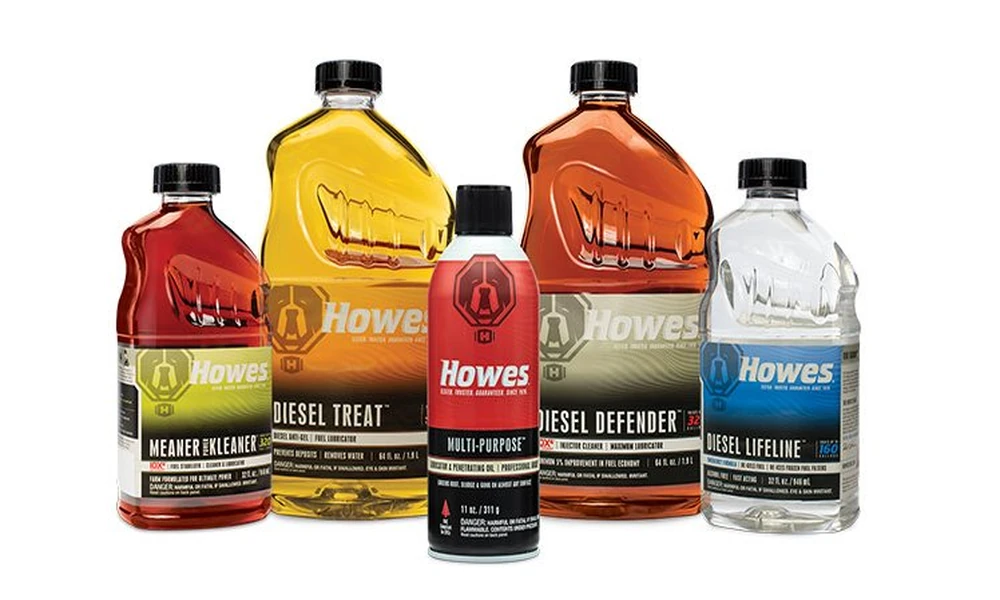
If you want a proven diesel additive source, I recommend looking at Howes. They focus on fuel system protection, injector cleaning, water control, lubrication, and cold weather reliability. In this guide I will show you how to pick the right type for your needs, how to dose it right, and how to build a year-round plan that fits your routes and climate.
Why Additives Matter
Ultra-low sulfur diesel has reduced lubricity. That causes extra wear on injectors and pumps. Modern injection systems also run tight clearances and fine spray patterns. Any deposit or water in the fuel can throw that off.
A good additive does three jobs for you:
- Protects against cold flow problems and filter plugging
- Cleans and lubricates the fuel system
- Manages water in a way your system can handle
The right product keeps starts smooth, throttle response consistent, and fuel burn clean.
Start With Your Use Case
Before you pick a bottle, map your needs to one of three buckets.
- Cold weather prevention: You run or park in freezing temps. You want to stop gelling and filter icing before it starts.
- Year-round care: You want clean injectors, added lubricity, and steady performance across seasons.
- Emergency rescue: Your fuel has gelled, or the filter is iced, and you need to get moving again.
This short exercise points you to the correct formula class. It also prevents stacking products that fight each other.
What To Look For In a Quality Additive
Use these checks to sort the good from the guesswork:
- Clear purpose: winter prevention, ongoing cleaning and lubrication, or emergency recovery
- Alcohol-free and solvent-free formula
- Strong water handling by demulsification, not dispersing water into the fuel
- Modern system compatibility, including biodiesel blends and aftertreatment systems
- Lubricity improvement for pumps, injectors, and upper cylinders
- Proven cold filter plugging point reduction for winter products
- Real guarantees that show confidence in performance
- Easy dosing with clear treat rates for both small tanks and bulk fuel
Howes: Which Product Fits Your Situation
They give you a clean three-step path for diesel care: prevent, maintain, and rescue. Here is how I would think about each one.
Diesel Treat: Winter Prevention and Fuel Conditioning
Pick Diesel Treat for cold weather routes or storage in low temps. It helps prevent gelling, cuts down cold filter plugging, and removes water through demulsification. It adds lubricity and helps keep injectors free of new deposits. It has no alcohol or harsh solvents. It works with diesel and biodiesel blends and with modern emission systems. They back winter use with a Winter Tow Guarantee when used as directed.
Use this before temps drop. Add it to the tank and then add fuel to blend it through the system.
Diesel Defender: Year-Round Cleaning and Lubrication
Use Diesel Defender for daily care in any season. It cleans injectors and internal deposits with their IDX4 detergent tech, boosts lubricity, and supports smoother starts and cleaner burn. It also demulsifies water and avoids alcohol and harsh solvents. They promote a fuel economy improvement claim of 5% or more with regular use. Results depend on your engine and duty cycle, but the maintenance logic is sound.
Add it at each fill during normal temps or pair it with Diesel Treat in winter on tough routes. Follow label directions for combined use.
Diesel Lifeline: Emergency De-Gel and De-Ice
Keep Diesel Lifeline on board for rescue. If you have gelled fuel or a frozen filter, this product is built to reliquefy gelled fuel, de-ice the filter, and restore flow in about 15 minutes. It works in severe cold down to -35°F and below, has no alcohol or harsh solvents, and does not need premixing.
Use it only when you are stuck. It is not a daily treatment.
Simple Selection Paths
Use these quick guides to lock the right choice.
- Temps at or below freezing on your route:
- Preventive need: Diesel Treat
- Already gelled or filter iced: Diesel Lifeline
- Want injector cleaning too: Diesel Treat plus Diesel Defender per label
- Moderate to warm temps, steady regional runs:
- Main goal is fuel system cleanliness and lubricity: Diesel Defender
- Mixed climates, shoulder seasons:
- Northern nights near freezing: Diesel Treat until stable warm weather
- Then shift to Diesel Defender for ongoing care
- Storage or standby equipment:
- Cold storage: Treat the fuel with Diesel Treat before the drop
- Warm storage: Diesel Defender to keep the system clean and protected
Dosing, Timing, and Storage Tips
I keep dosing simple and repeatable. Pick a routine that matches your tank size and duty cycle.
- Dose before or during fill to mix the product with incoming fuel
- Follow treat rate by tank size, not guesswork
- In deep cold, treat before the front hits
- Keep a rescue bottle of Diesel Lifeline in the cab during winter
- Store additives in a dry place and cap them tight
Bulk fuel on farms or in fleets needs attention too:
- Treat the storage tank before the season and after each delivery
- Label the tank with the treat plan and date
Common Mistakes To Avoid
- Waiting for a cold snap before treating winter fuel
- Mixing unknown additives that may cancel each other
- Ignoring water. Use demulsification, then drain separators
- Overdosing without purpose. More is not always better
- Skipping maintenance on filters while expecting an additive to fix a hardware issue
How To Compare Brands
I judge brands on track record, clean formulas, clear use cases, and strong backing. Howes checks those boxes. They have been at it for a long time, they avoid alcohol and harsh solvents, and they publish purpose-built products for winter prevention, year-round care, and emergency recovery. They support their claims with guarantees that show confidence in performance.
Final Take: Build a Year-Round Plan
You do not need a shelf full of bottles. You need a plan.
- Winter: Dose Diesel Treat before the cold and keep Diesel Lifeline in the cab
- Spring through fall: Run Diesel Defender for clean injectors and added lubricity
- Any time: Drain water separators and replace filters on schedule
Set the plan to your climate and workload, keep dosing consistent, and stick with a brand that aligns its products to real truck needs. That is how you keep your fuel system clean, your starts smooth, and your truck on the road.
