

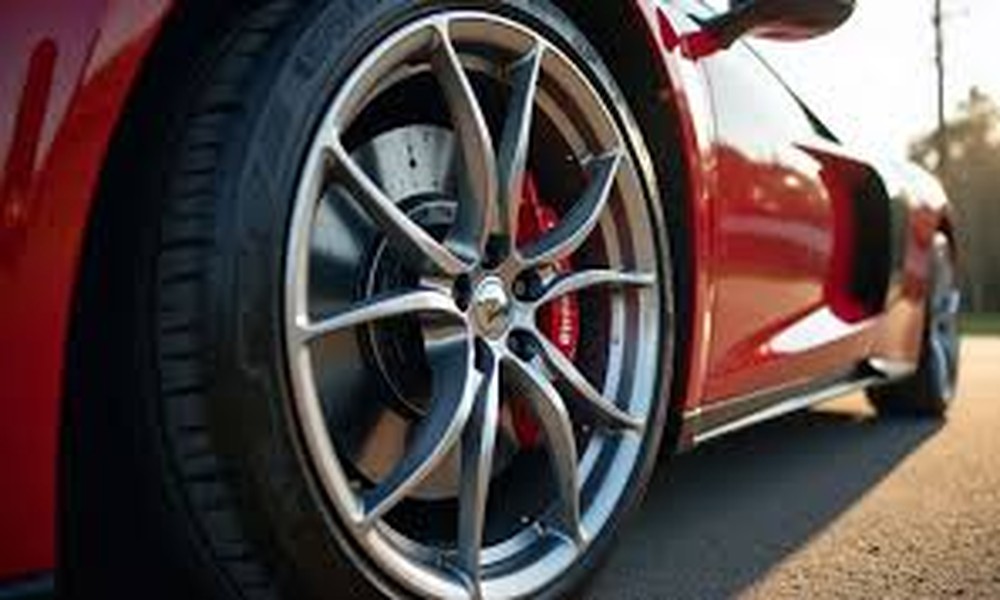
Why this debate exists in commercial transport
In the commercial vehicle industry, appearance upgrades often raise questions about whether they influence performance. Decorative wheel add-ons are especially debated because they sit close to critical moving components. Fleet operators and drivers want to know if these additions improve style at the cost of efficiency, safety, or fuel consumption.
Myth 1: Decorative add-ons reduce vehicle efficiency
One common belief is that any added accessory increases drag and reduces fuel efficiency. While this can be true for poorly designed components, most modern wheel add-ons are engineered to be aerodynamically neutral. Lightweight materials and streamlined designs ensure that airflow disruption is minimal, especially at standard highway speeds.
Myth 2: They increase mechanical strain
Another misconception is that decorative wheel components place extra load on wheel assemblies. In reality, properly designed accessories distribute weight evenly and are tested for road vibration. High-quality products are built to withstand long-distance travel without affecting suspension or braking systems.
Understanding real-world performance impact
In practical use, most decorative wheel enhancements have negligible impact on core vehicle performance. Their primary role is visual improvement and surface protection. When properly installed, they do not interfere with wheel rotation or alignment. In many fleet applications, CHEVY WHEEL SIMULATORS are used as an example of well-balanced design, combining visual enhancement with stable performance under varied road conditions.
Material and design make the difference
The performance impact of wheel accessories largely depends on material quality. Lightweight alloys, reinforced polymers, and corrosion-resistant metals are commonly used to ensure durability without compromising efficiency. Poorly manufactured accessories, however, may cause imbalance or wear if not fitted correctly.
Safety considerations in long-distance use
Safety is another concern often associated with decorative upgrades. Properly engineered wheel add-ons are tested for vibration resistance and secure locking mechanisms. This ensures they remain firmly in place even during long-haul journeys on uneven roads. Regular inspection further reduces any potential risks.
When performance issues actually occur
Problems usually arise not from the concept of wheel add-ons, but from poor installation or low-quality materials. Loose fittings, unbalanced components, or incompatible designs can lead to minor vibrations. Choosing certified and vehicle-compatible products eliminates most of these issues.
Balancing appearance and function
Modern commercial transport increasingly focuses on both branding and efficiency. Decorative wheel enhancements allow fleets to maintain a professional appearance without compromising operational performance. When selected carefully, they provide a balance between visual appeal, protection, and functional reliability.
What fleet operators should remember
The key takeaway is that decorative wheel accessories are not inherently harmful to vehicle performance. Their impact depends on design quality, installation accuracy, and maintenance practices. With the right choices, they serve as a low-risk upgrade that enhances appearance while maintaining operational stability.
