

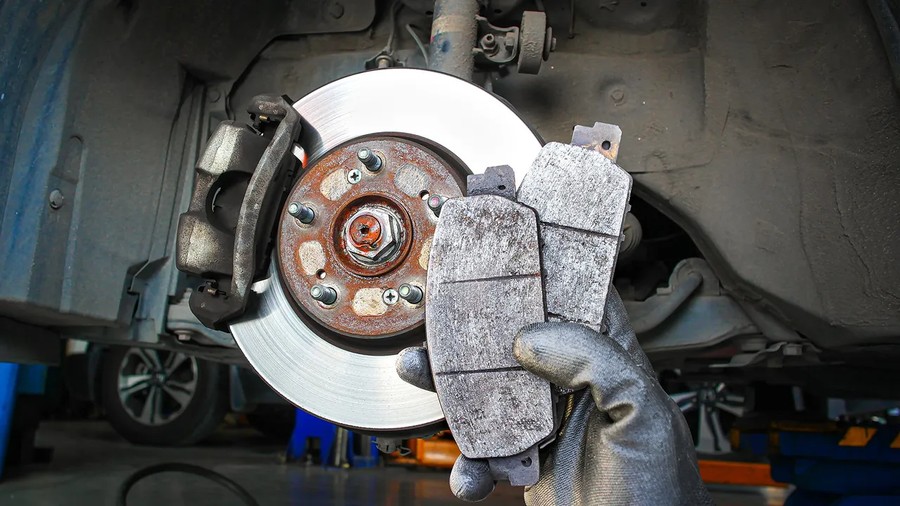
Brake dust is a common issue that affects many vehicles. It is a fine powder created when brake pads wear down during braking. This dust can accumulate on wheels and other parts of the vehicle. While often seen as just a cosmetic problem brake dust can also impact vehicle performance. Technicians use specific service tiers to deal with brake dust and its effects. These services help customers understand how brake dust relates to vehicle care.
The Impact of Brake Dust on Braking Efficiency
Brake dust buildup can reduce the efficiency of the braking system. When dust collects on brake parts it may cause uneven pad wear. Uneven wear reduces the ability of brakes to stop smoothly and quickly. This can lead to longer stopping distances and unsafe driving conditions. Dust on brake rotors may create vibrations or noises during braking. Technicians focus on cleaning brake components to restore smooth operation. Regular removal of brake dust by Brake Repair in Hillsboro, OR ensures braking power remains consistent and reliable.
Brake Dust and Wheel Performance
Brake dust also affects the condition of wheels and tires. Dust can settle inside wheel rims and interfere with tire balance. Imbalanced tires cause shaking and uneven tire wear over time. This reduces driving comfort and may lead to early tire replacement. Dust buildup on wheels makes them look dirty and worn. Some service tiers include wheel cleaning to remove brake dust effectively. Cleaning wheels improves both the appearance and performance of the vehicle.
Preventing Brake Dust Through Quality Components
Using high-quality brake pads also helps control dust production. Some brake pads are designed to produce less dust while maintaining stopping power. Technicians may advise upgrading to these pads as part of service packages. Selecting the right brake components reduces dust issues and improves overall vehicle health. Preventative maintenance and quality parts work together to minimize brake dust effects. This approach ensures that braking remains safe and efficient over time.
Ongoing Brake Dust Monitoring and Care
Brake dust requires regular attention to prevent performance problems. Service tiers often include scheduled brake inspections that monitor dust levels. Technicians assess whether dust buildup is normal or a sign of underlying issues. Keeping brake parts clean and in good condition helps avoid costly repairs. Maintenance plans vary based on driving style vehicle type and brake usage. Consistent care supports a smooth braking experience and protects vehicle value.
Conclusion
Brake dust is more than just a cosmetic concern for vehicles. It directly affects braking efficiency and wheel performance. Technicians address brake dust through tiered services ranging from cleaning to full system care. Using quality brake pads and regular maintenance helps reduce dust buildup. Ongoing monitoring prevents hidden problems and maintains safe braking. Proper brake dust management supports vehicle performance and safety on the road.
