

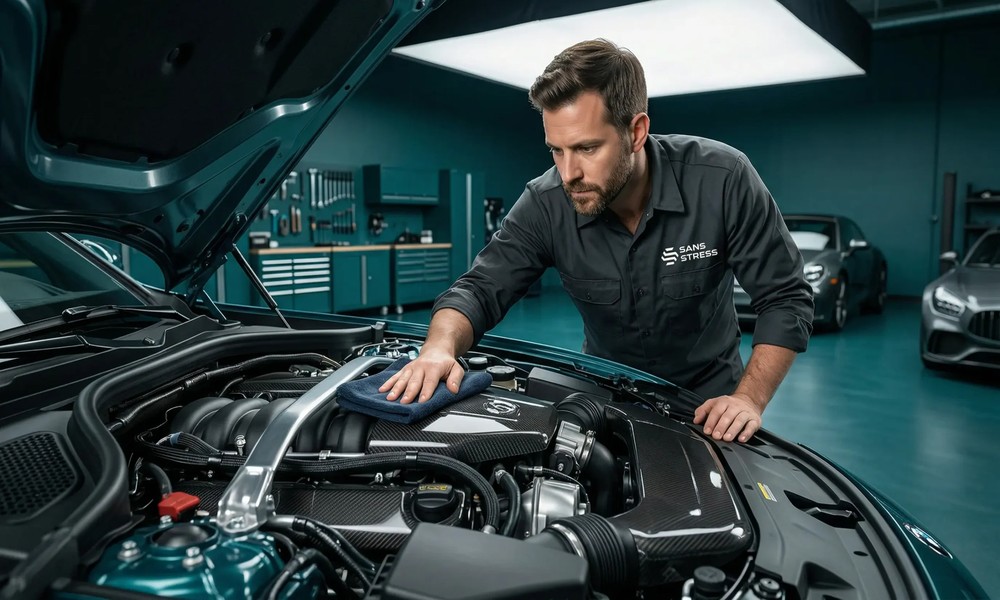
Starting a vehicle restoration hobby can be incredibly rewarding, but doing it the right way makes all the difference between success and frustration. Many beginners jump in with excitement, only to feel overwhelmed later. restoration hobby planning A thoughtful and practical approach helps you enjoy the process while building your skills steadily.
The first step is choosing the right vehicle. Beginners often make the mistake of selecting a heavily damaged or rare model, thinking it will be more exciting. In reality, this can become complicated and expensive. It is better to start with a common vehicle that has easily available parts and relatively less damage. A car that is in decent condition, even if not perfect, will be easier to work on and more suitable for learning.
Setting a clear goal is equally important. Decide whether you want to restore the vehicle to its original condition or modify it according to your preferences. Restoration focuses on accuracy and authenticity, while customisation allows more creativity. Having a clear direction helps you stay focused and avoid unnecessary changes during the process.
Budget planning is another key factor. Restoration projects often cost more than expected, so it is wise to set a realistic budget and keep some extra funds aside for unexpected expenses. Costs can include tools, spare parts, paint, and professional services if needed. Starting with smaller improvements instead of a full overhaul can help manage expenses better.
Learning the basics before starting is essential. You don’t need to be an expert, but understanding how a vehicle works will make the process smoother. Watching tutorials, reading guides, and observing experienced individuals can be very helpful. Beginning with simple tasks like cleaning, minor repairs, or part replacements builds confidence and prepares you for more complex work.
Having a proper workspace is often overlooked but very important. A clean, organised, and well-lit area makes restoration work easier and safer. Even a small space can work efficiently if tools and parts are arranged properly. An organised setup reduces confusion and helps maintain focus.
When you begin the project, take a step-by-step approach. Avoid dismantling everything at once. Work on one section at a time, such as the engine, body, or interior. Keeping track of parts, labelling components, and documenting your progress can save a lot of time and effort during reassembly.
Patience is one of the most important qualities in restoration. Progress can be slow, and challenges are common. Instead of rushing, focus on doing each task properly. Mistakes made in haste can lead to more work later, so a steady approach is always better.
Connecting with other enthusiasts can also enhance your experience. Joining communities or interacting with people who share the same interests can provide valuable advice and motivation. Learning from others helps you avoid common mistakes and improve faster.
In conclusion, starting a vehicle restoration hobby the right way involves careful planning, realistic expectations, and a willingness to learn. With patience, consistency, and the right approach, it can become a fulfilling and long-term passion that offers both skill development and personal satisfaction.
