

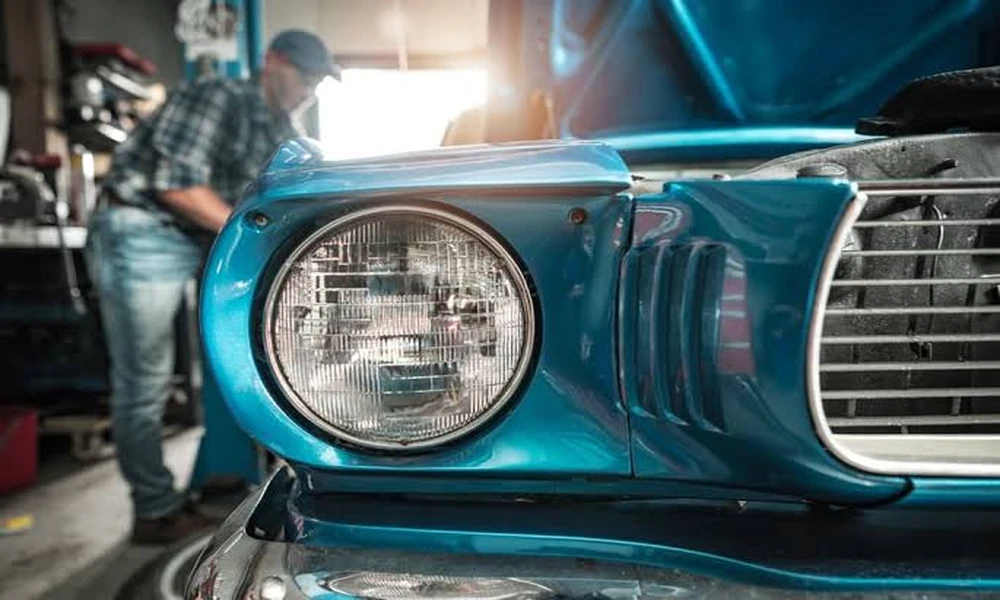
Rebuilding a classic Ford is more than just a mechanical endeavour. It’s an opportunity to resurrect an old chapter from automotive history and add a new chapter on the road. It can be incredibly rewarding, whether you’re working on a weathered-out Mustang, vintage F-Series pickup, or any of the other iconic Ford models. It can also get costly and complicated if not planned properly.
A successful classic Ford restoration begins with a clear understanding of the vehicle’s condition, history, and intended use. Before taking on major repairs, it helps to document the car’s existing features, identify which original components can be preserved, and decide how closely the finished vehicle should follow its original specifications. Careful planning at this stage can make the restoration process more organized and help protect the character that makes the vehicle special.
Take the time to find the right car for you.
Don’t grab a wrench without taking a long, honest look at the car. Even though a vehicle looks rough, it might be a better restoration project than a car that looks good on the outside but has extensive rust on the inside. Inspect the body panels, wheel wells, suspension mounting points, frame and floor pans for corrosion. Carefully examine the engine compartment and check for evidence of past damage. Original parts can also be valuable – check what is still in good condition before replacing.
Determine what it means to restore something.
Not all classic Fords need to be driven out of the showroom. Some owners are looking for a factory-correct restoration all the way down to the smallest of details. Some just want a stylish restomod with updated brakes, suspension, lighting or interior. Determine your direction in the beginning. It is possible to blend styles halfway through the process and waste money and the car may end up being neither original nor purposefully altered.
Create a realistic budget.
The price of restoration tends to rise. A worn-out engine can require much more than a rusty panel and a problem in one area can uncover a problem in another. List down the major costs such as bodywork, paint, mechanical parts, interior, electrical work, glass, trim and specialist labour. Then save for a rainy day for all the unexpected things that inevitably happen when you take the car apart.
Keep the Details That Matter
Classic Fords are full of character in their little details, whether it’s the shape of a badge, the texture of an old steering wheel, the lettering on a dashboard or the noise of a well-tuned engine. Don’t use other parts that are newer just because they are readily available. If possible, repair and preserve usable original parts. Take pictures of parts prior to disassembly and label carefully. Those photos can save hours of head-scratching in years to come.
Think Beyond Appearance
A shiny paint job does not count for much if the car cannot stop in time or drive smoothly. Pay special attention to the brakes, steering, suspension, cooling system, fuel lines, wiring and tyres. A classic car can still be a beautiful old car, and still be quite safe, thanks to good modern features. The purpose is not to make something look good, but to make a car that you can feel good about driving.
Take Your Time
The ideal restorations are never rushed. Do the work step by step, keep track of your progress and know when to call a professional. After the final product is ready and rolling onto the road, all the scratched knuckles and long weekends in the garage will seem worthwhile.
